

 FAST SAME DAY & AFTER HOURS DELIVERY


Visit Our Showroom For Mobility Scooters, Lift Chairs & More
We Deliver to Your Area


Don’t know of any other medical supply company who would do this, thank you, thank yo


.


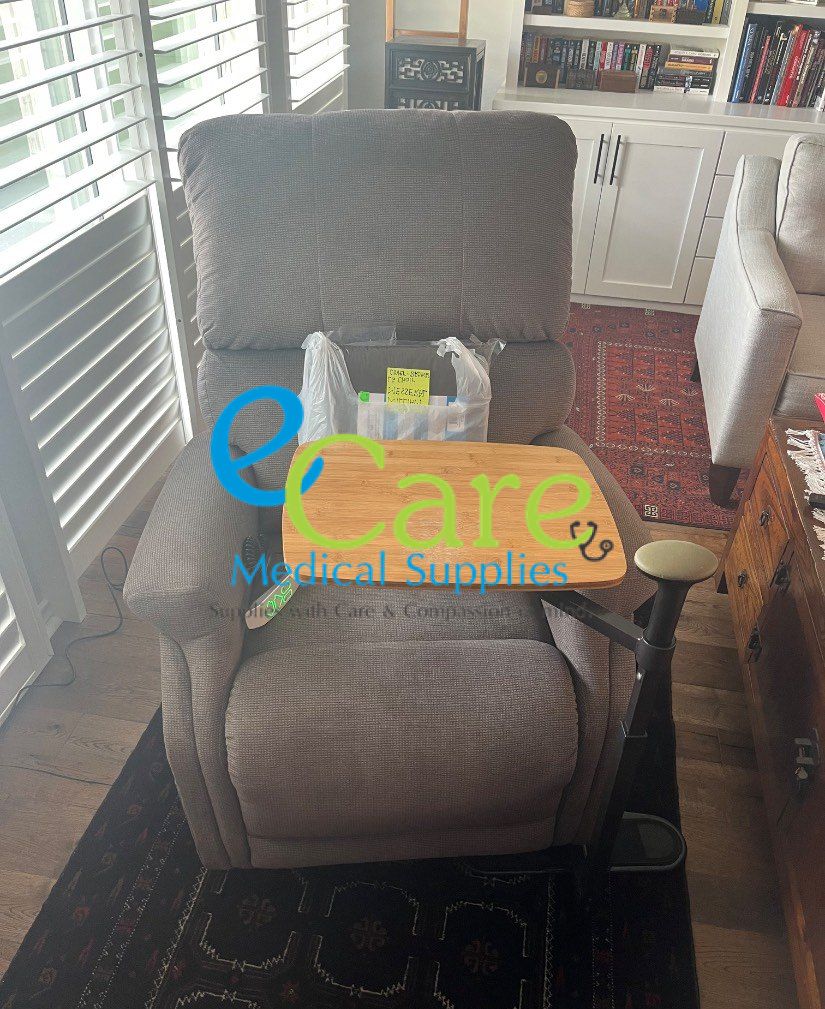
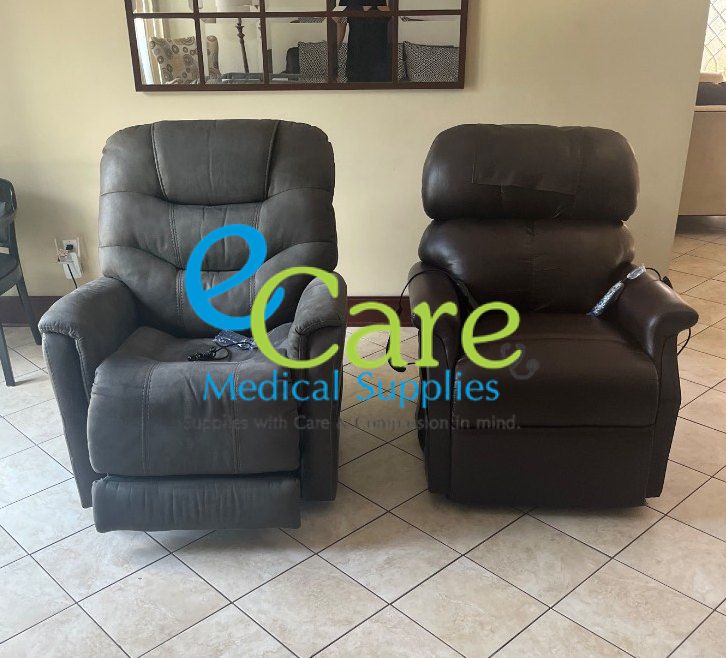
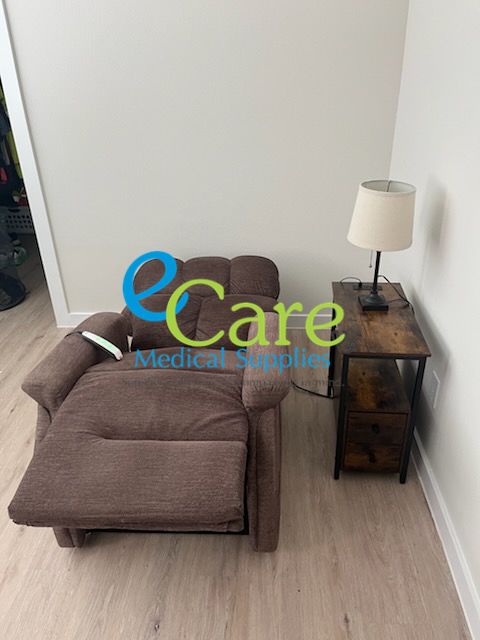
The reclainer was delivered very clean and wrap in plastic. Also I recommend this company. All the service is very professional.
Thanks.


Sincerely
Todd Novak


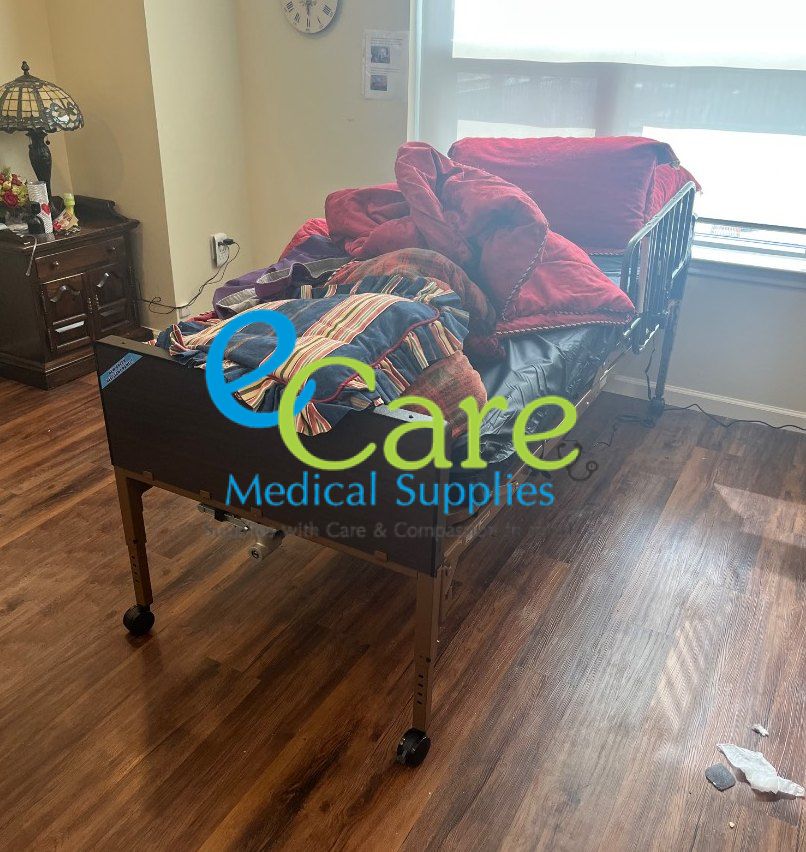
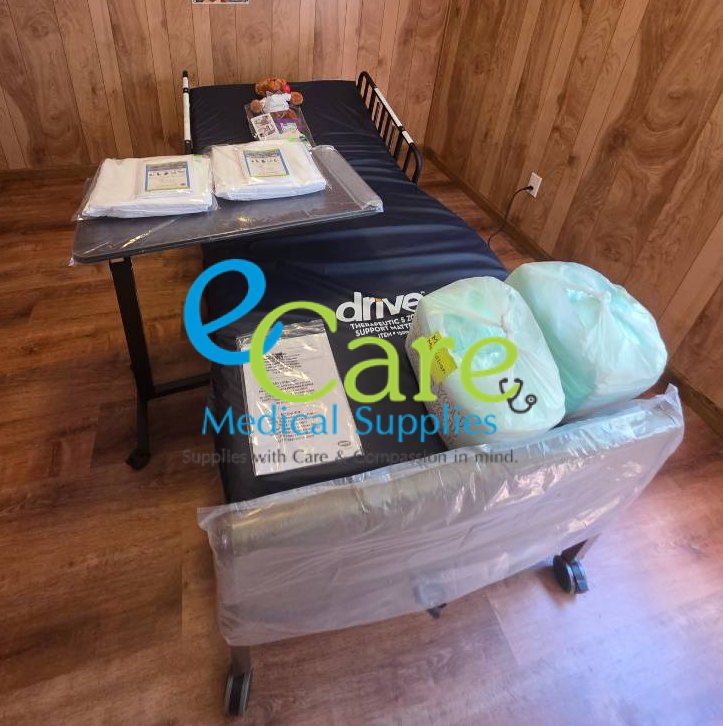
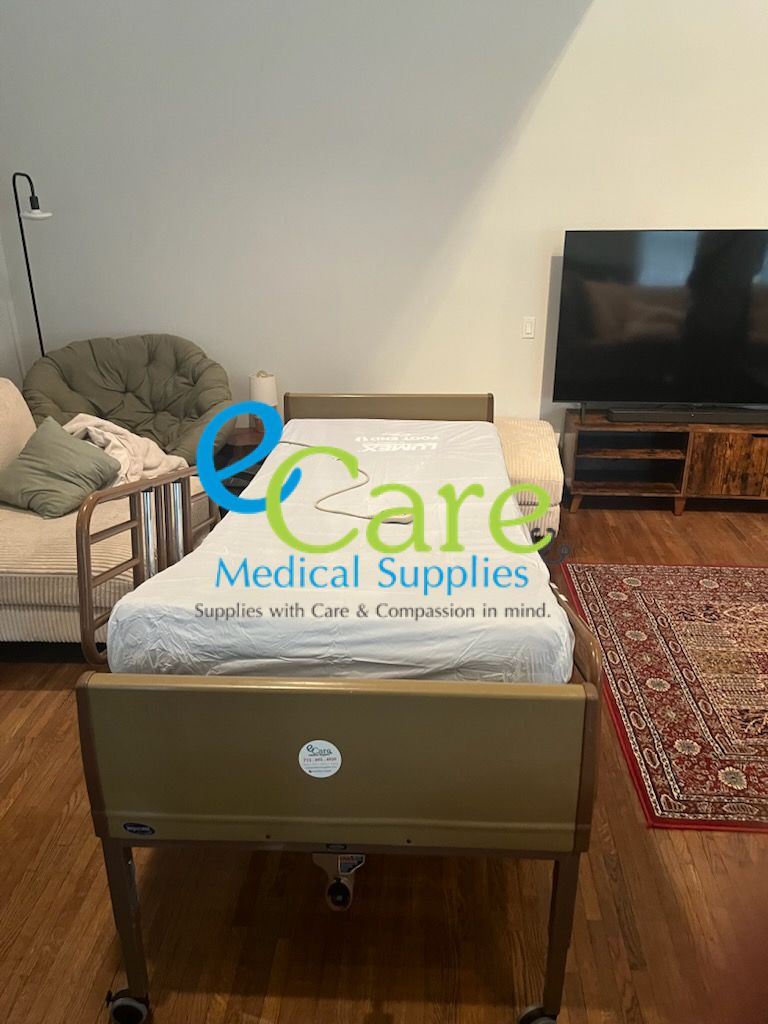
I had a great experience with eCare Medical Supplies. James was my delivery specialist and went above and beyond to ensure everything went smoothly. He took extra time to make sure the rental equipment was installed properly and that I was fully trained and comfortable using it. He was extremely professional, patient, and knowledgeable.
When James returned to pick up the equipment, he was just as kind and courteous. He checked in to see how the equipment worked for me and made the entire process seamless from start to finish. Excellent customer service—thank you, James and the eCare team


The services and products from this company are outstanding - definitely five ⭐️. The delivery was on time and professional.
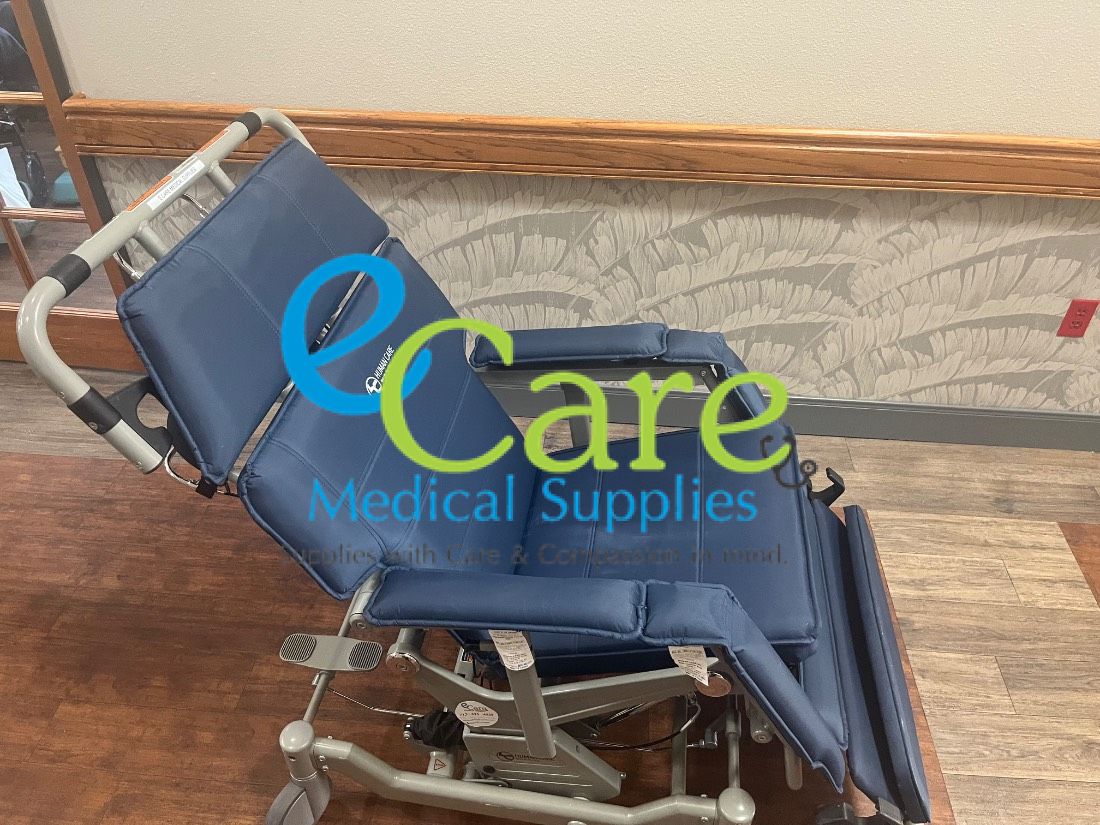
James was our representative and carefully explained the features of the wheelchair and its proper use. James is outstanding ⭐️⭐️⭐️⭐️⭐️ - we very much appreciate his concern and support.
We recommend E Care Medical Supply to anyone in need of excellent equipment and service at fair prices -
David & Donna


James and Aron were the best of the best!
Friendly, thorough, and very knowledgeable, I could not have asked for a better experience.
Of course, I hope to not need medical equipment rental again, but if I do, E Care will be my go to, and hope that delivery will be by James and Aron!
If only all businesses could be run in such an efficient and friendly manner.

The in store personnel were prepared to answer all our questions, and helped with our selection.
The delivery was actually earlier than expected with the delivery team of James and Aron. They were extremely professional and made sure everything was installed and working properly and then went over its operation.

T-Roy Broussard,
Port Arthur, Texas

I highly recommend them!


















E Care's Blog Post - Your FSA Card Is Not a Debit Card: What Families Caring for Someone Get Wrong About FSA and HSA Benefits

Here is the whole idea in one picture. What one dollar buys A dollar from your FSA or HSA$1.00 of buying power...
Your FSA Card Is Not a Debit Card: What Families Caring for Someone Get Wrong About FSA and HSA Benefits
September 30, 2026 - FSA & HSA Benefits

Here is the whole idea in one picture.
That is the entire article in one picture. The rest is detail: which of these accounts you have, what it will and will not cover, and how to use it without any trouble at the register.
We sell this equipment, so weigh what we tell you accordingly. But most of this conversation has nothing to do with our shelves. It is about a card sitting unused in a wallet because nobody ever explained what it was for — something we see most weeks, and something that costs people hundreds of dollars every time. Here is the explanation, in the order we usually give it at the counter.
Three conversations we have every week
Almost everyone who asks us about FSA or HSA benefits falls into one of three groups, and each one needs a different answer.
The first group has never heard the terms. They are here because someone in the family fell, or is coming home from surgery, and nobody ever explained what those letters on their benefits paperwork meant.
The second group has the card. They know it is theirs. They do not know how much is on it, when it expires, or what qualifies. Every year they lose a chunk of it because the plan year runs out.
The third group uses the card and thinks of it as a debit card. They spend from it the same way they spend from their checking account, and they miss the whole point — which is that the money in there was never taxed, and every dollar they spend from it is worth more than a dollar from their regular account.
If any of that is you, you are in the right place. Read to the end. It is the shortest, most valuable ten minutes you will spend on your benefits this year.
What an FSA and HSA actually are
An FSA (Flexible Spending Account) and an HSA (Health Savings Account) are both the same simple idea: a piece of your paycheck that gets set aside for health costs before taxes are taken out. The money is yours. It just gets routed into a separate health account instead of your checking account, and it is not taxed on the way there.
Because it skipped the tax line, it goes further than the money in your wallet. A dollar in your FSA or HSA is a full dollar of buying power. A dollar in your checking account is what is left after the government already took its share.
“Isn’t that just my own money?”
This is the question we hear most, and it is a fair one. Yes, it is your money. But it is not the same as the money in your checking account, and treating it the same way is what costs people real money every year. Three things to know.
1. The money already left your paycheck
Your employer withheld it, one payday at a time, all year long. Your take-home pay was already smaller because of it. Not spending that balance does not return a single dollar to you. It just sits there, unspent.
2. Every dollar in the account cost you less than a dollar
Money that goes into an FSA or HSA is never taxed. It skips federal income tax, and it also skips the 7.65% payroll tax that funds Social Security and Medicare. Texas charges no state income tax at all, so for many Houston families the combined saving lands somewhere between 20% and 30%.
Put concretely, at a 22% federal bracket plus that 7.65%:
| What you carry out of the store | What it cost your take-home pay | What stayed in your pocket |
|---|---|---|
| $250 in supplies | about $176 | $74 |
| $500 in supplies | about $352 | $148 |
| $1,000 lift chair or hospital bed | about $704 | $296 |
| $2,000 full home safety setup | about $1,407 | $593 |
Look at the middle column, because that is the honest answer to the question. Yes, it is your own money — at roughly thirty percent off. Reaching for your regular debit card instead means choosing to pay tax on something you did not have to pay tax on.
3. You cannot cash it out, and with an FSA you can lose it
These funds only spend on qualified medical expenses. You cannot move the balance to savings, and you cannot spend it on groceries. And FSA money has a deadline. If there is a balance sitting there when your plan year closes, it is not refunded to you. Under IRS rules it goes back to your employer.
“I have the card, but I don’t know where it came from”
There is nothing wrong with you for not remembering. Most people sign up for an FSA or HSA during open enrollment at work, in the same twenty-minute session where they picked a health plan, a dental plan, and a life insurance beneficiary. It is often a single checkbox and a dollar amount. Then a card shows up in the mail months later with a company name nobody recognizes.
Here is what happened behind the scenes:
To find out what you have, check four places: your pay stub (look for a line labeled FSA, HCFSA, HSA or Health Savings), the back of the card (there is a customer service number that can tell you your balance and deadline in one call), your HR portal (the same site where you did open enrollment), or your HR contact directly. Two questions get you everything you need: “Do I have an FSA or an HSA?” and “When is my deadline to use it?”
What it actually buys
A wide range of medical products qualifies, and the list is broader than most people think. Here is what the money commonly covers and roughly what real costs look like when the tax savings are applied.
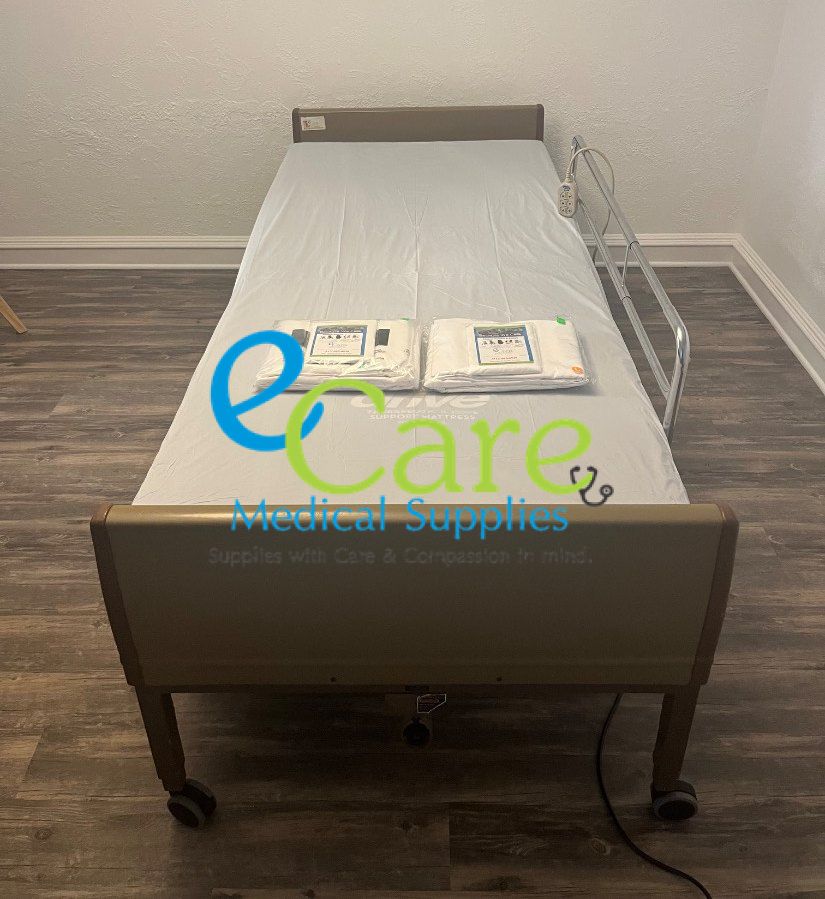
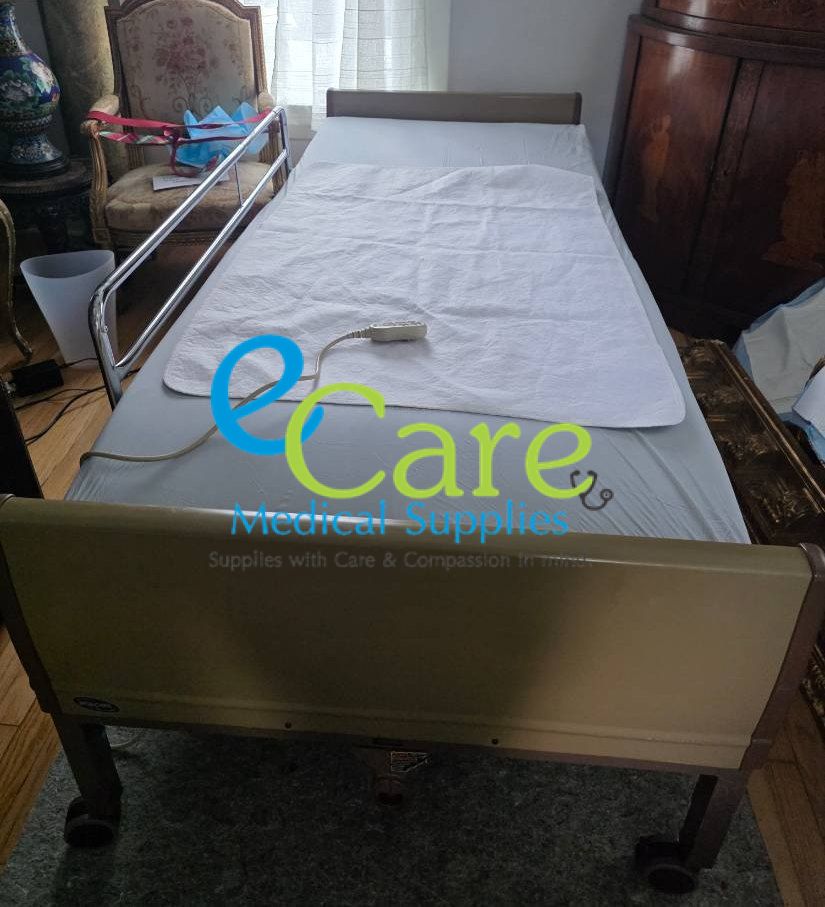
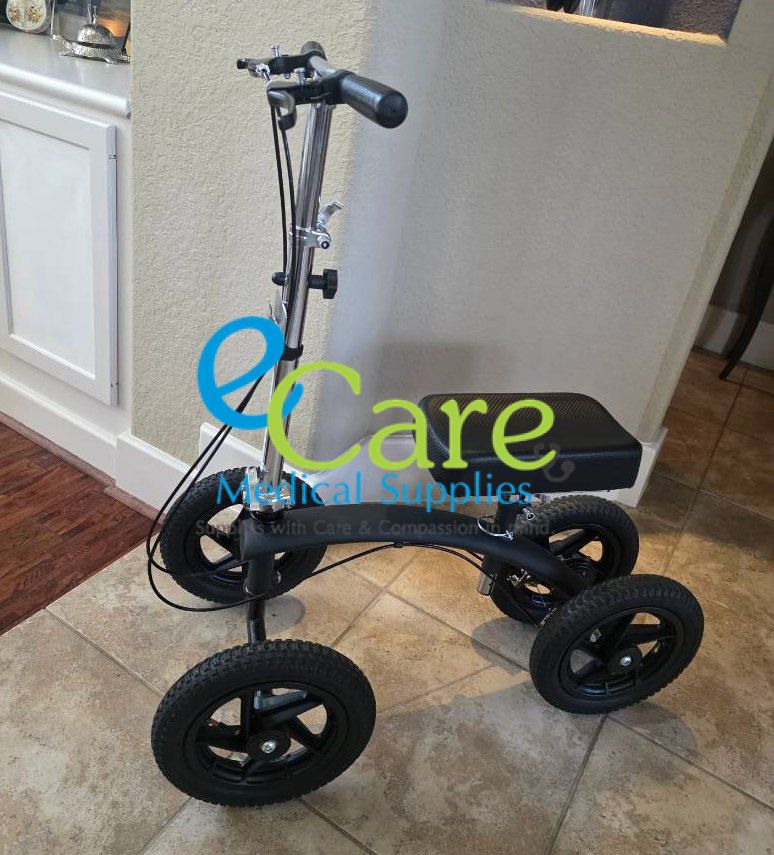
What’s commonly eligible: lift chairs, hospital beds with mattresses and rails, mobility scooters, power and manual wheelchairs, patient lifts and slings, bathroom safety (shower chairs, raised toilet seats, grab bars, commodes), rollators, walkers, canes, knee scooters, respiratory equipment, blood pressure monitors, braces and supports, compression stockings, wound care, and much more. When in doubt, ask us before you check out.
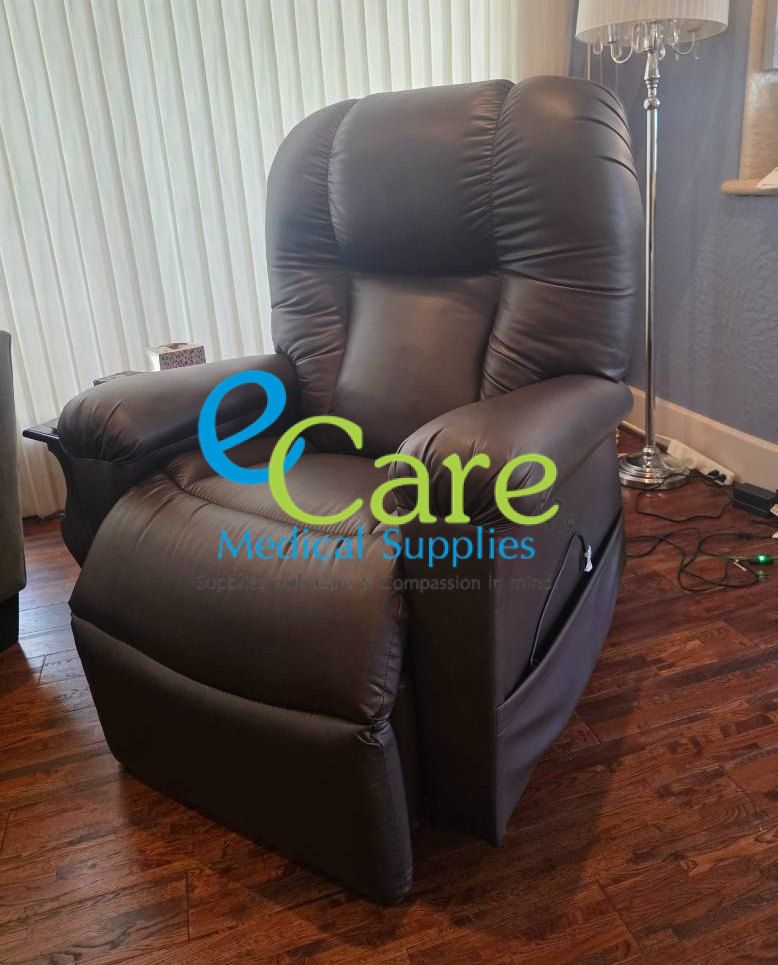
A medical recliner is not a furniture store recliner
This is the story that changed how one of our regular customers thinks about his card, and it is worth telling in detail because the arithmetic is the whole point.
He came in comparing our sleeper recliner lift chairs against a $1,400 recliner he had found at a furniture store. Ours was $1,895. As far as he was concerned that settled it — the furniture chair was cheaper.
It did settle it, just not the way he expected.
The lift chair is durable medical equipment. It can be bought with FSA/HSA money that was never taxed. The furniture recliner cannot. That $1,895 chair cost him about $1,333 of take-home pay — roughly sixty-seven dollars less than the cheaper chair he had been about to buy, and it came with a lift motor, delivery, and setup.
He had been carrying that card for two years without using it once.
One caution before you get to checkout: some plans require a Letter of Medical Necessity (LMN) from a doctor for a lift chair. It is easy to arrange, but easier to arrange before you get to the register. Tell us what you are buying and we will flag it early.
Rentals count too
One of the most common misconceptions is that FSA and HSA only cover things you buy and keep. Not true. Renting equipment for a short recovery is frequently eligible, and it is often the smarter call when you only need a hospital bed or a wheelchair for a few weeks.
Think through this scenario. Someone in your family comes home after a knee replacement. They need a hospital bed for eight weeks, a bathroom safety setup, a rollator for the recovery period, and a lift chair for the living room. At sticker prices, that might look like:
- Sleeper lift chair (purchase): $1,895
- Power wheelchair (purchase): $2,400
- Hospital bed rental (8 weeks): $780
- Bathroom safety setup: $480
Total sticker: $5,555. That is the price on the tags.
That is not marketing math. That is the tax code doing what it was designed to do — and it is why we would rather you pay us with the FSA card than the checking card, even though it is the same swipe to us. The right way is worth $1,647 more to you.
“I forgot my card. Did I miss my chance?”
Usually not. Most plans let you pay another way and submit an itemized receipt for reimbursement. We provide an itemized receipt on every purchase, so hold on to it and check your plan’s reimbursement window.
What to do, step by step:
- Pay with any method you like — debit, credit, cash, check.
- Keep the itemized receipt (we email it to you if you want).
- Log into your plan portal and submit the receipt for reimbursement.
- The plan reimburses you from your FSA/HSA balance, usually within a couple of weeks.
You do not lose the tax benefit just because you did not have the card in hand. The receipt is what matters.
FSA or HSA — which do you have?
People use the two names interchangeably, but they behave very differently in one way that matters a lot.
| FSA | HSA | |
|---|---|---|
| Who owns it | Your employer sponsors it. Usually ends if you leave the job. | You own it. Goes with you when you change jobs. |
| Deadline to spend | Yes — unused funds can be forfeited at plan year end. | No — balance rolls over year after year. |
| 2026 contribution limit | $3,400 per employee | $4,400 individual, $8,750 family, plus $1,000 more if you are 55 or older |
| Money available now | Typically your full annual election is available from day one. | Only what has actually been deposited so far. |
The FSA detail almost nobody knows: with most health FSAs your entire annual election is available on the first day of the plan year. If you elected $2,000 and you need a hospital bed in February, you can typically use the full amount even though only a few hundred dollars has come out of your checks so far. Confirm the details with your plan administrator.
Now would be a good time to check your balance
If any of this rings any bells, take five minutes today to do these three things:
- Find out whether you have an FSA or an HSA. Check the back of the card, your pay stub, or your HR portal.
- Find out your balance and, if it is an FSA, your deadline.
- Make a short list of anything in your home that needs replacing, repairing, or upgrading for safety — grab bars, a better shower chair, a sturdier walker, a bed rail, a lift chair for the person who cannot stand from the couch anymore.
Bring the list and the card in, or call us at (713) 695-4939. If you would rather browse online first, our full catalog is at ecaremedicalsupplies.com. Our showroom is at 4306 Fulton St. Suite A-2, Houston, TX 77009.
If we have caught you close to your plan year end, do not wait. It is your money. Get the value out of it.
Eligibility, contribution limits, carryover amounts and grace periods depend on your specific plan and are set by your employer and the IRS. E Care Medical Supplies is not a tax advisor and cannot approve or guarantee any expense. Contribution limits and related IRS figures are adjusted annually. The scenarios above are composites, not quoted customers, and prices are illustrative rather than a current price list. Benefits administrators and card networks are named only to help you identify your own account; all trademarks belong to their respective owners and we are not affiliated with, endorsed by or sponsored by any of them. If this article and your plan disagree, your plan is the authority.
Tags: FSA,HSA,FSA eligible,HSA eligible,caregiving,home recovery,hospital beds,lift chairs,wheelchairs,medical equipment rentals,medical supplies Houston,FSA deadline
← Back to Blogs






